
Millions of Mothers in the South Are Giving Birth Without a Safety Net

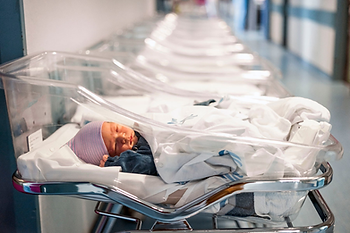
For many American families, having a baby should be one of life's most joyful moments — but for millions of mothers across the South, it has become one of the most dangerous. The United States loses more women to pregnancy and childbirth than any other wealthy nation, and the burden falls heaviest on Southern communities where hospitals are closing, doctors are scarce, and insurance coverage has gaps that can cost lives.
The numbers are stark. In 2023, eight of the states with the highest maternal death rates in the country were in the South — including Arkansas, Kentucky, Mississippi, and Georgia. What makes this especially painful is that most of these deaths did not have to happen. Federal health reviews have found that more than four out of five pregnancy-related deaths are preventable.
So why are so many mothers still dying? For many, the answer comes down to access — to a nearby doctor, a local hospital, and health insurance that covers them before, during, and after pregnancy.
When the Nearest Hospital Is an Hour Down the Road
About one in three counties across the United States has no hospital that delivers babies and no birth center at all. In those communities — many of them rural and Southern — a pregnant woman who develops a warning sign like high blood pressure or unusual swelling may not have anyone nearby to catch it before it becomes a life-threatening emergency.
Common conditions like high blood pressure, heart disease, and diabetes are among the leading drivers of maternal deaths. When managed early and consistently by a doctor, these conditions are treatable. When left unaddressed because care is too far away or too expensive to reach, they can turn deadly during pregnancy or delivery. Distance, in these cases, is not just an inconvenience — it is a medical risk.
How Health Insurance Coverage — or the Lack of It — Shapes Outcomes
Medicaid, the government health insurance program for people with low incomes, plays a central role in keeping maternity care accessible across the South. It covers a significant share of births in the region, and in many communities, it is what keeps local hospitals financially able to keep their delivery rooms open at all.
But there is a coverage gap that affects millions of women. Ten states have not expanded Medicaid under the Affordable Care Act, and seven of those states are in the South. In those places, many low-income women only become eligible for Medicaid once they are already pregnant, and then lose that coverage within a few months after giving birth.
That means the years when a doctor could have diagnosed and treated a blood pressure problem or managed a chronic condition — the years before pregnancy — are often the years when a woman has no insurance at all. By the time she becomes pregnant and qualifies for coverage, a health problem that was manageable may have already progressed.
What the Research Shows About Expanding Coverage
States that have expanded Medicaid show measurably better outcomes for mothers. A study published in Women's Health Issues found that expansion states recorded approximately seven fewer maternal deaths per 100,000 births compared to non-expansion states. The gap was even larger for Black mothers, who face disproportionately high rates of pregnancy-related death regardless of income or education level.
A 2026 review analyzing data from more than 60 million births found that Medicaid expansion was consistently linked to fewer maternal deaths and fewer life-threatening complications during pregnancy and delivery. Rural hospitals in expansion states are also significantly less likely to be operating at a financial loss, meaning their labor and delivery units are more likely to remain open and available to the communities they serve.
The connection is straightforward: when more women have health insurance before they become pregnant, more health problems get caught early. Earlier treatment means fewer emergencies. Fewer emergencies means more mothers who come home with their babies.
Proposed federal cuts to Medicaid funding would put pressure on state budgets and on the rural hospitals that depend on Medicaid reimbursements to stay afloat. Health policy experts and hospital administrators have warned that reduced federal support could push already financially vulnerable facilities toward closure — further shrinking the already limited options available to women in rural Southern communities.
For families living in counties where the nearest delivery room is already an hour away, losing that hospital is not an abstract policy outcome. It is the difference between reaching care in time and not reaching it at all.